
Add nutrition: A fast and easy approach to healthy eating
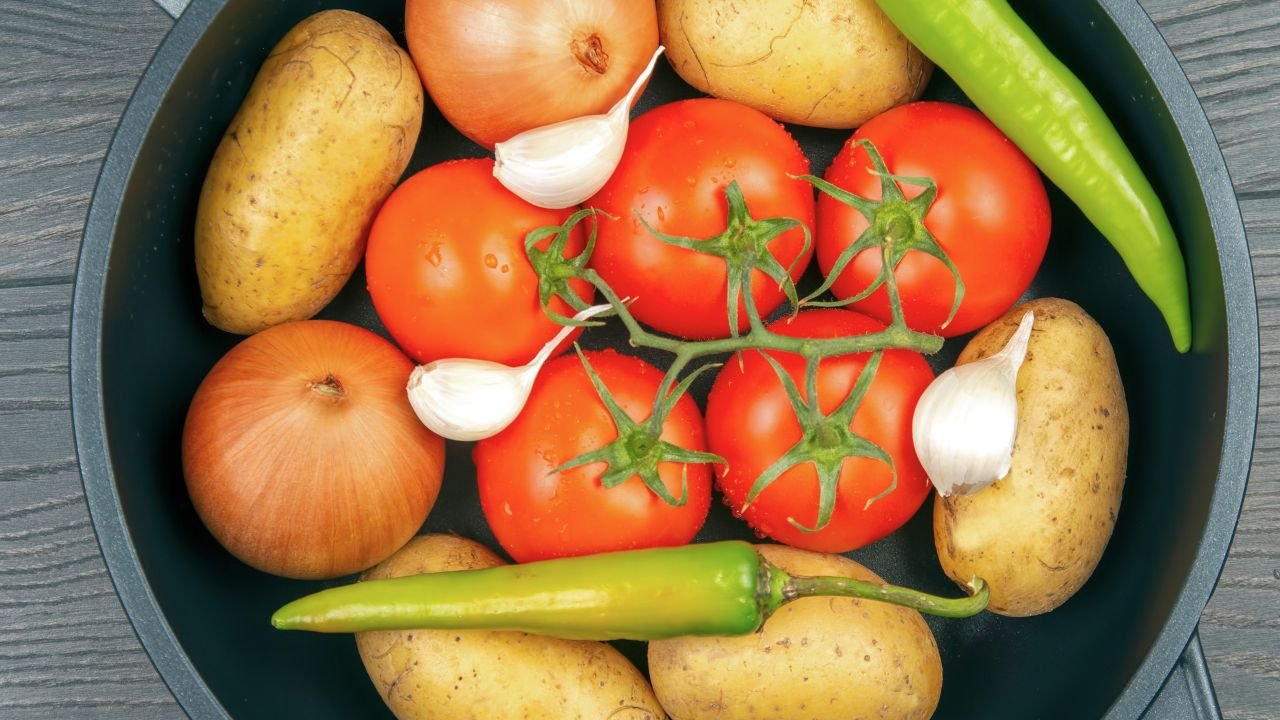
Great. Nutrition added. Next step… learning how to peel and chop!
Focus on adding, not taking away
When it comes to transforming your eating habits, everyone seems to be trying to push you toward cutting out "bad" foods. I’ve tried that. It sucks. And it gave me an idea.
What if you shifted your focus from what you should eliminate to what you can abundantly add?
This idea can change not only what’s on your plate but also your overall approach to eating. Here’s a deeper dive into why adding nutrition, rather than subtracting temptations, could be your best strategy for a healthier lifestyle.
The power of positive eating
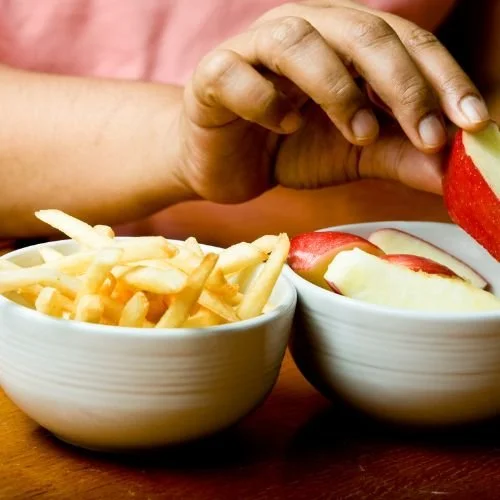
The core idea here is simple. By concentrating on adding healthy, nutrient-dense foods to your diet, there's naturally less room for the not-so-great options. This doesn't mean you can't ever indulge in your favorite treats; it simply shifts the balance towards healthier choices more often. This mindset seems much healthier to me than restrictive eating because it’s centered on abundance and satisfaction rather than focusing on what you can’t have.
Eat to feel full AND fulfilled
Nutrient-rich foods like leafy greens, colorful fruits, hearty whole grains, and lean proteins do more than nourish; they satisfy. These foods are typically higher in fiber and protein, which are the champions of satiety. They help keep you fuller longer, which means you're less likely to find yourself rummaging through the pantry for a not-so-healthy snack an hour after dinner.
Add a spectrum of nutrients
Every additional serving of fruits or vegetables packs a punch of vitamins, minerals, and other essential nutrients, elevating the nutritional quality of your meals. Think about how your body works. You need to give it nutrients so that it functions the way it should. Feeding it properly is likely to translate into noticeable benefits such as smoother digestion, more consistent energy levels throughout the day, and a more robust immune system. (And who wouldn't love fewer sick days?)
Give yourself a psychological edge
Changing your diet can often feel like a losing battle with willpower. However, when the focus is on adding rather than restricting, it fosters a healthier relationship with food. Think of it as a psychological trick; you’re not constantly feeling deprived or punished. Instead, you’re rewarding your body with what it needs. This can drastically change how you view mealtime: from a challenge to a celebration of good choices.
Transition naturally to healthier eating
By introducing more wholesome foods into your diet, you might naturally begin to prefer them over less healthy options. Over time, this can lead to a spontaneous reduction in unhealthy foods without the struggle of abrupt cuts. You’re taking a gentle pivot rather than a sharp turn, which is often more sustainable in the long run.
Discover new foods and delight your palate
There's a whole world of foods out there you might not have tried yet. From exotic fruits to ancient grains, expanding your palate can turn eating healthily into a culinary adventure. Experimenting with new recipes and ingredients keeps meals exciting and engaging—it’s a far cry from the monotony that often comes with strict dieting.
Craft your plate with purpose
So, how do you start? Begin by simply adding one extra serving of vegetables to every meal. Maybe throw some spinach into your morning smoothie (it might turn green, but I promise you won’t taste it!), or add a colorful salad to your dinner. Gradually, as your comfort with these foods grows, so will their presence on your plate. It's not about perfection; it's about progression.
Remember, changing your diet doesn't have to be an exercise in restriction. By focusing on adding healthful choices and the joys of new, nutritious (and sometimes tasty!) discoveries, you create a diet that's not only good for your body but also tastes great and makes you happy. Give it a try and let me know in the comments below whether it’s an easier way to approach healthy eating.

Michelle Arseneault is a certified life coach and instructional designer who loves helping women understand why life feels harder than it needs to, and what to do about it.
“I believe small, thoughtful changes usually have a bigger impact than dramatic overhauls. Around here, you'll usually find me exploring the psychology behind everyday life, creating practical tools, or asking questions that help you see things from a new angle.”
You might also like…


Stress doesn’t just affect your mood. It changes how you make spending decisions. This article explains why impulse buying happens under pressure and how to slow the cycle without beating yourself up.