
Reclaiming your childhood creativity as an adult
You didn’t grow out of it. You just stopped making space for it.
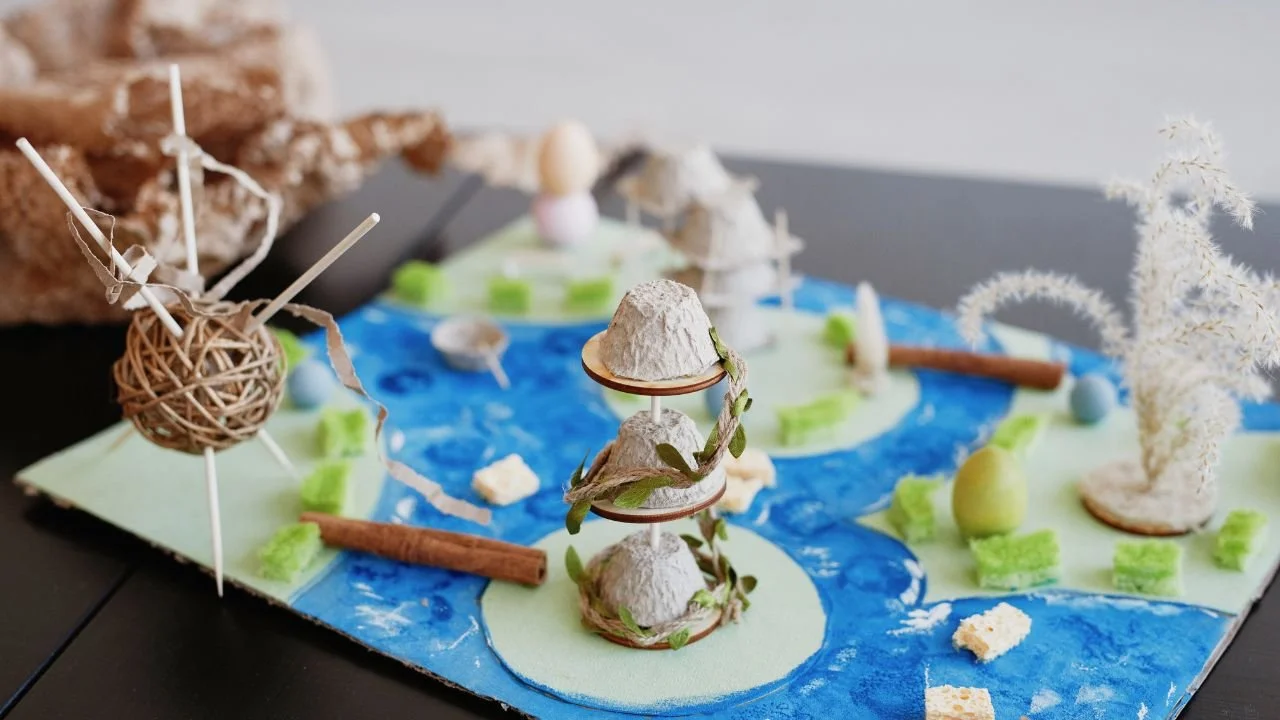
I can’t tell what they’re making and it’s killing me. (But that’s also my point…)
When you were a kid, you probably didn't worry whether what you were making was any good.
You built blanket forts that could've won imaginary architecture awards. You drew horses that looked suspiciously like dogs. You made friendship bracelets, decorated shoeboxes, covered your school books in doodles, or spent an entire afternoon inventing games with whatever happened to be lying around.
Nobody had to convince you to be creative. You simply were.
Somewhere along the way, though, many of us quietly stopped creating.
We didn't stop because we ran out of imagination; we stopped because life slowly taught us that creativity should be useful - something that leads somewhere, something productive, maybe even profitable.
School rewarded us for getting the right answer. Work rewarded us for being efficient. Adult life rewarded us for crossing things off a list. Little by little, creativity became something we would "get back to" once everything else was finished.
The trouble with that mindset is that everything else is never really finished.
If you really think about it, our creativity doesn't actually disappear; it just gets buried under deadlines, responsibilities, and the quiet belief that there are more important things to do.
So, if you've ever caught yourself saying, "I'm just not a creative person," I'd like to gently challenge that thought.
I don't think you stopped being creative; I think you just stopped making space for it in your daily life.
One of my clients, whom we'll call Erin, realized this during one of our coaching sessions.
"I used to spend hours drawing outfits and designing little magazines when I was a kid," she told me. "Now I sit at a computer all day writing technical documentation. I don't even know what I like to do anymore."
She didn't stop drawing because she stopped loving it. She stopped because it didn't seem practical anymore. There were more important things to focus on, like school, work, paying bills, taking care of other people, and just keeping life moving.
Her story isn't unusual. I've heard different versions of it over and over again.
Sometimes it begins with a teacher criticizing a piece of artwork that a child was proud of. Sometimes an older sibling seems naturally talented, so they quietly decide they aren't "the creative one." Sometimes parents, often with the best intentions, encourage practical careers and stable futures. Eventually, creativity becomes something reserved for weekends, retirement, or "one day."
That day rarely arrives on its own.
You may be more creative than you realize
One of the biggest surprises I’ve had in my coaching sessions is how often people tell me they aren't creative, then spend the next hour describing creative things they do every week.
You know she’s going to ask him to move it back, right?
One woman insisted she didn't have a creative bone in her body. A few minutes later, she described how she loves rearranging her home each season, mixing colours and textures until every room feels just right.
That sounds like creativity to me.
Another client creates playlists that capture exactly how she's feeling each week. She spends ages choosing songs that fit a particular mood, then arranges them in an order that tells a story.
That's creativity too.
One of the problems is that we've created a very narrow definition of what creativity looks like. If you aren't painting landscapes, writing novels, or selling handmade pottery at a craft fair, it's easy to assume you aren't creative, but creativity shows up in far more places than that.
It's there when you solve a problem in an unexpected way. It's there when you decorate a room, experiment with a new recipe, write a heartfelt birthday card, plan an unforgettable vacation, or find a new way to explain something to a friend.
The question isn't whether you're creative; it’s whether you've been giving yourself credit for it.
Give yourself permission to play again
Reclaiming your creativity doesn't mean trying to become the person you were when you were eight years old. It means remembering what that younger version of you understood so naturally; creating something can be worthwhile simply because you enjoy the process.
It doesn't have to be impressive or make you money. It only has to make you feel a little more curious, a little more present, or a little more like yourself.
That might mean keeping a messy journal filled with sketches and half-formed ideas. It might mean taking photographs on your evening walk, learning to crochet, experimenting with watercolours, writing tiny stories in the notes app on your phone, or doodling while you drink your morning coffee.
Some days you'll create something you love and other days you'll create something that's objectively terrible.
Both days count.
Every time you make something simply because you wanted to, you're reminding yourself that life isn't only about responsibilities and productivity. There's room for curiosity too.
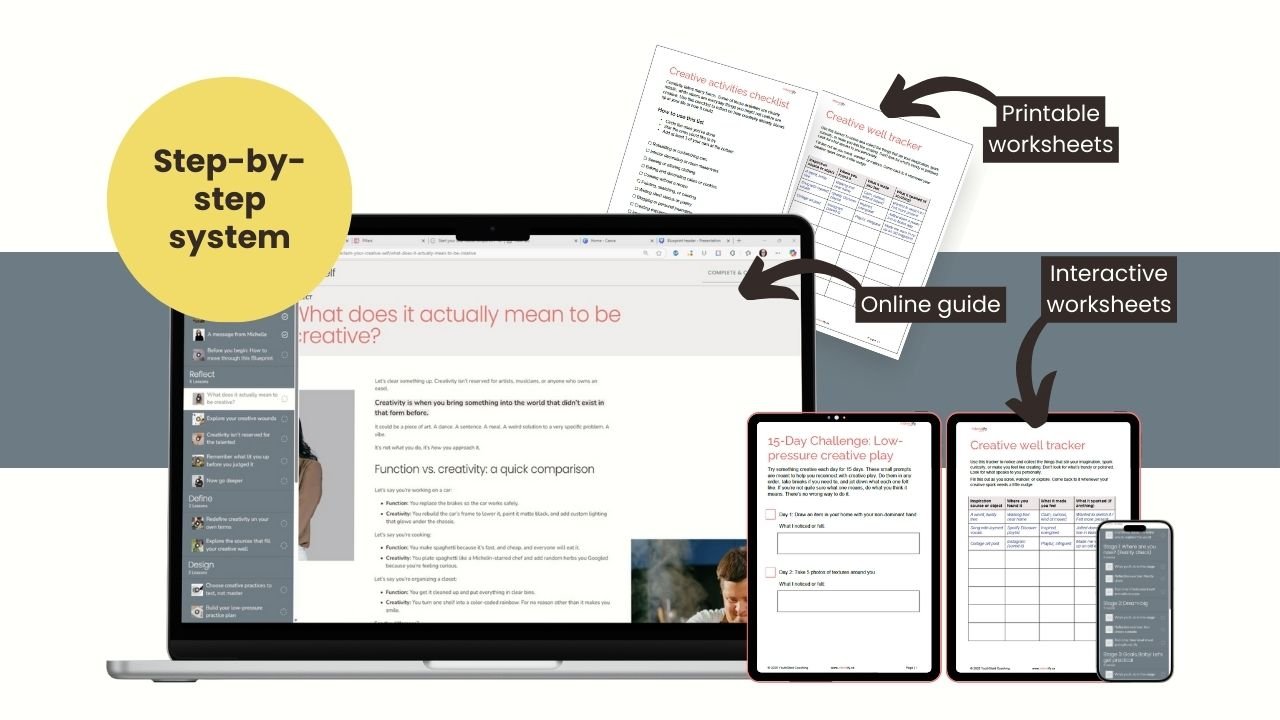
Before you go...
Think back to something you loved making as a child. It doesn't matter whether you were good at it, and it doesn't matter whether anyone else understood why you enjoyed it.
What did you love about it? The answer might point you toward a part of yourself that has been patiently waiting for a little space to create again.

Michelle Arseneault is a certified life coach and instructional designer who loves helping women understand why life feels harder than it needs to, and what to do about it.
“I believe small, thoughtful changes usually have a bigger impact than dramatic overhauls. Around here, you'll usually find me exploring the psychology behind everyday life, creating practical tools, or asking questions that help you see things from a new angle.”
You might also like…


Life has a way of convincing us that fun is something we earn after everything else is done. But what if waiting for life to calm down is exactly why fun keeps disappearing? Discover why making space for joy isn't a luxury; it's one of the best ways to recharge.