

Peaches and flowers. To me, that’s the secret ingredient to daily happiness.
When I was a kid, I often dreaded coming home. Before my parents split up, I never knew what the mood would be when I walked through the door. Dad was usually drinking, and the atmosphere often depended on what was happening between him and Mom. Would she be angry? Would they be fighting outright, or would they be having one of those silent fights you could feel throughout the house?
Home was somewhere I had to pay attention to other people’s moods. Whether I could relax depended on what I found when I got there, and as a child, I had very little say in any of it.
Looking back, I think my need to control things grew out of that experience. I wanted a home where I could feel secure, but I went about it by trying to manage everyone and everything. I couldn’t control what happened in my childhood home, and as an adult, I struggled to let go of trying to control what happened in mine.
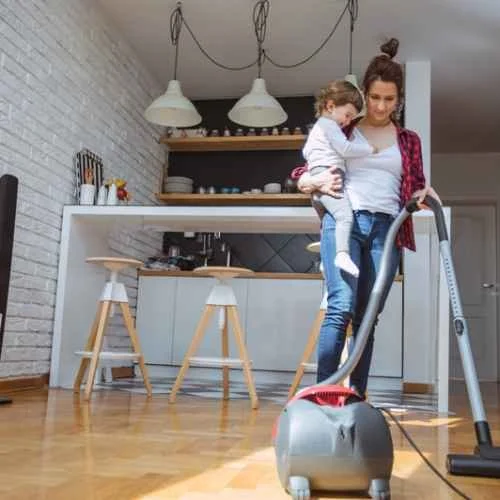
I can just feel the resentment rolling off her.
I also grew up watching my mother take on the role of the martyr, carrying the responsibilities and resenting the people around her. Years later, in my own home, I found myself repeating that pattern. I took responsibility for keeping our home and family going, accepted too little help, and became increasingly resentful that everything seemed to fall to me.
There was always something that needed doing, and I treated those responsibilities as mine to handle. Taking care of myself and doing things I enjoyed slipped further down the list. I wanted other people to take more responsibility, yet I continued carrying the load. Alongside that, I was trying to manage how things went and how other people behaved. It wasn’t working, and it left me with even more to feel responsible for.
That affected how I felt about the people I was sharing my home with. I was putting so much into maintaining our life together, but I wasn’t happy in it. I had very little space to enjoy being myself or to enjoy being with my family. Home had become a place where I had responsibilities to meet and things to keep under control.
Todd drank, too. His drinking wasn’t the same as my father’s, but it was another part of our home life that I needed to decide what I was willing to accept. Instead, for a long time, I accepted that my adult home life would resemble the one I’d grown up with. I didn’t like how things were, but I hadn’t fully recognized that I could expect something different and make decisions accordingly.
Then I caught my husband cheating on me, and everything I’d been feeling came to a head. I was furious. Here I was, doing all this work to maintain our home and family, and how dare he turn around and treat me that way? We split up for a while. I still loved him, but I was angry, hurt, and deeply unhappy with the life we’d been living.
During that time apart, I began to recognize how much of myself I’d lost. I wasn’t taking care of myself, I wasn’t happy, and I didn’t have good feelings toward anyone in my family. I’d become so occupied with looking after everything that needed doing that I’d stopped making room for myself as a person with needs, interests, and choices of my own.
His decision to cheat was his responsibility. Nothing about the way I handled our home or how unhappy I’d become made that choice my fault. But when I considered what I wanted next, I also had to acknowledge that the life we’d been living wasn’t working for me. Getting back together would have to mean changing how we lived.
The boundary that changed how I saw my choices
When Todd wanted to try again, I knew that getting back together had to come with changes. One of them concerned his drinking in public and putting himself in situations where he might act on his impulses again. If we were going to rebuild our relationship, that had to stop.

This is how I imagine my angry inner child looked like when setting my first boundary, albeit with less curls.
It was a firm condition for me. He had to agree, and I had to be willing to stand by it.
That decision changed my mindset. I realized I had a say in what I would accept in my own life. I could love someone and still have conditions for continuing a relationship with them. I could want our family together and still expect our home life to work for me, too.
Once I recognized that, I began questioning other things I’d been putting up with. Why was I accepting so little help with the household responsibilities? Why wasn’t there protected time for me? What did I actually want life in our home to feel like?
I had more power to make changes than I’d believed, and I started using it.
Building a home with room for everyone, including me
The changes I made happened across several parts of our home life. I stopped accepting crumbs when it came to shared responsibilities, so we divided the housework. Maintaining our home needed to involve the people living in it.
I also made family dinners and date nights non-negotiable. I wanted us to spend time together and enjoy our relationships. Those connections needed a place in our lives alongside all the practical things that had to get done.
Time to ourselves mattered, too. Wednesdays became Michelle Day, with no household responsibilities for me. Thursdays became Sammy Day. Friday nights became Todd’s time to have a few drinks at home, play video games, and enjoy his own break from responsibilities.
Everyone got space to do their own thing. Including me. [Michelle Day remains a protected time every week.]
“I could want our family together and still expect our home life to work for me, too.”
I paid attention to the physical space as well. I wanted furnishings I enjoyed, so I set up sinking funds to buy them gradually without taking on debt. That gave me a way to improve our home within our means. I could work toward what I wanted instead of assuming I had to live indefinitely with whatever was already there.
Therapy was an important part of those changes, too. It helped me recognize that trying to control everyone and everything wasn’t creating the peace I wanted. I had the power to set boundaries, communicate my needs, and decide what I would do if an arrangement wasn’t working for me. Other people were still responsible for their own behaviour. With Todd, I could state the conditions under which I was willing to try again, but he had to choose whether to agree and follow through. Learning that distinction helped me let go of trying to manage choices that belonged to other people and put more attention into my own.
Together, those changes helped us create the home life we have now.
When I come home today, Todd’s smile makes me smile. Buddy wags his tail, and I literally wag mine along with him. I can jump in and cook, clean something, or plop my butt down on the sofa and watch Grey’s Anatomy if that’s what I feel like doing.
Coming home is relaxing. It gives me energy. I can be myself there, and to me, that’s a home that’s perfect for me.
Why your home life deserves deliberate attention
That feeling is why I think being intentional about your home matters. Intentional living at home means making deliberate choices about your surroundings, responsibilities, and relationships so that your everyday home life supports the way you want to live.
The way your household runs affects how much time and energy you have for yourself. The atmosphere affects whether you look forward to coming home. Your relationships influence whether you feel supported, and your surroundings can make everyday activities easier or more frustrating.
When you’re living with the same arrangements every day, it’s easy to stop noticing that they’re arrangements at all. They start to feel like facts. You’re the one who cleans. Nobody eats together. There’s nowhere for you to have some quiet. Your free time begins once everyone else is taken care of, assuming there’s any time left.
Doing that can create room for rest, affection, privacy, enjoyment, and a fairer share of the work. It can help you build a home where you feel like a person whose needs count.
You deserve to consider those needs before you reach a breaking point.
What would make home feel better for you?
Start by noticing how you feel when you come home. Is it like sinking into a warm bath? Do you feel welcome and comfortable? Or do you brace yourself for the noise, the mood, or the list of things waiting for you?
Then get specific about what contributes to that feeling. “Home stresses me out” is a starting point, but it helps to understand what’s behind it. Maybe you walk through the door and immediately become responsible for dinner, cleaning, and everyone’s questions. Maybe you have plenty of time together but very little privacy. Maybe you live alone, and your space no longer supports the things you want to do.
Ask yourself what you’d like to experience instead. Having dinner responsibilities shared might mean you get a moment to settle in after work. Setting aside an evening together might give you the connection you’ve been missing. Making a comfortable place for a hobby might help you spend more time doing something you enjoy.
Your answers will be personal. Our family dinners, date nights, and days off work for us because they address things we value. You get to decide what would make a meaningful difference in your own home.
Choose one thing you’re ready to address
Once you know what’s affecting you, choose one change to begin with. Depending on the issue, that might mean deciding how to use a space, setting money aside, asking for support, or having a conversation about an arrangement that needs to change.
If you share your home, be clear about what you need. Saying you’re overwhelmed is important, but explaining that you need someone else to take full responsibility for dinner on certain nights gives you something concrete to discuss. Making time together matters more when you agree on when it will happen and follow through.
Other people have a part to play. You can communicate your needs and decide what you’re willing to accept, but you can’t create cooperation by doing everyone else’s share. That was part of what I had to learn.
Your circumstances also affect your options. Money, health, housing, and the people you live with can limit what you’re able to change right now. If you feel unsafe at home, getting support to consider your options matters more than improving household routines. You’re not responsible for making another person behave safely.
Begin with what you can influence, and give yourself permission to take your own experience seriously. You live here, too.
I couldn’t choose the atmosphere in my childhood home. As an adult, I had more choices than I initially understood. Learning to use them helped me create a home I’m happy to return to, where I feel loved, have room to be myself, and occasionally greet the dog with a wagging backside. That’s a daily part of my life now, and it was worth paying attention to.
How does your home life feel right now?
Our free interactive Life Audit helps you explore home alongside 11 other areas of your life, so you can see what’s working and decide where you’d like to give more attention. Take the Life Audit.
Michelle Arseneault is a certified life coach and instructional designer who loves helping women understand why life feels harder than it needs to, and what to do about it.
“I believe small, thoughtful changes usually have a bigger impact than dramatic overhauls. Around here, you'll usually find me exploring the psychology behind everyday life, creating practical tools, or asking questions that help you see things from a new angle.”
You might also like…


I used to accept that home life meant carrying the responsibilities and resenting everyone around me. Learning to make deliberate choices about what I would accept, how we shared the work, and where my own needs fit helped me build a home I love coming back to. Here’s why your home life deserves that same attention.