
Turn your home into a space that actually works for you
Your home doesn't have to be perfect. It just needs to make everyday life a little easier.
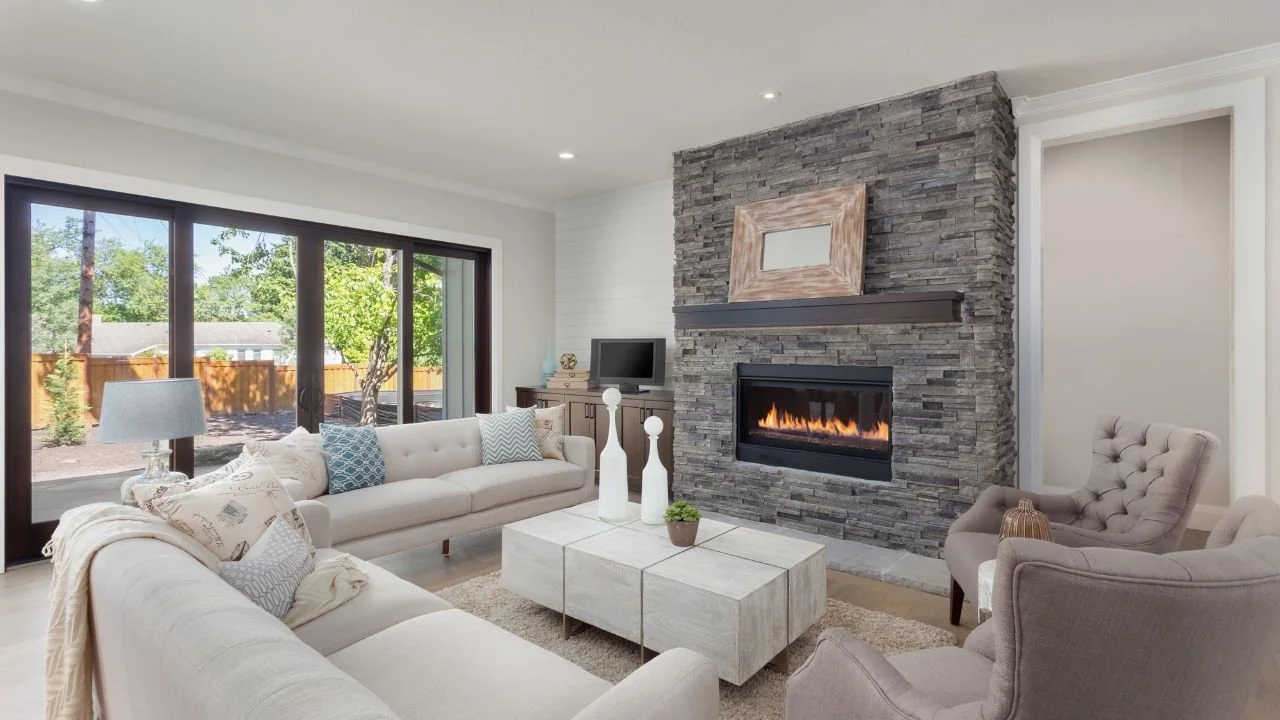
But… where would you put the T.V.?!
I recently dealt with a pile of papers that had been following me around for years. And when I say pile, I mean a three-foot-high collection of paperwork that had somehow become a permanent resident of my home. Every once in a while, I'd look at it and think, "I really need to deal with that." Then I'd continue walking.
Eventually, I did. I went through every piece of paper and sorted everything into three categories: things that needed to be filed, things that required action, and things that could finally go in the trash.
Getting through the pile felt fantastic, but I knew I'd only solved half the problem. The papers had accumulated because we didn't have a good place to put them while they were waiting to be dealt with. If I simply congratulated myself on clearing the pile and carried on as before, there was a very good chance I'd be introducing you to its younger sibling a few years from now.
So I bought containers for the paperwork that still needed attention. Now there's somewhere for it to go.
That small change taught me something I've been noticing all over my house lately: sometimes the problem isn't that you're messy or disorganized. Sometimes your home simply isn't set up for the way you actually live.
Pay attention to what keeps going wrong
We tend to respond to problems in our homes by cleaning them up. The kitchen counter is covered in stuff, so we clear it. Shoes are scattered by the door, so we put them away. Papers are piling up, so we sort them.
Then, a week later, everything is back.
That's when it's tempting to blame ourselves. We tell ourselves we need to be more organized, clean more often, or develop better habits. Maybe. But before you buy another planner or create a cleaning schedule, ask a different question: Why does this keep happening?
If everyone drops their shoes beside the door, maybe that's where the shoe storage should be. If the kitchen counter collects mail every day, maybe you need somewhere nearby to put incoming mail. If dirty clothes consistently land beside the hamper instead of inside it, perhaps the hamper isn't where people actually get undressed.
Your home is giving you information. Instead of constantly correcting the behaviour, sometimes it's easier to change the environment.
Stop organizing for your fantasy life
Most of us have at least a few things in our homes that belong to an imaginary version of ourselves.
My imaginary self makes plaster canvas art. She's very artistic. She bought canvases and plaster two summers ago and apparently has an abundance of leisurely afternoons available for creating textured masterpieces.
“Most of us have at least a few things in our homes that belong to an imaginary version of ourselves.”
Real me has yet to make one.
Maybe your imaginary self hosts elegant dinner parties, which is why you're keeping an entire cabinet of serving dishes you've used twice. Maybe she bakes bread every Sunday, reads all those books, uses the treadmill, scrapbooks family photographs, or wears the clothes waiting patiently for the day she loses ten pounds.
There's nothing wrong with wanting to try something new or keeping things you genuinely plan to use. The problem comes when your home starts serving the person you imagine becoming better than it serves the person living there today.
Look at the spaces in your home and ask yourself what you actually do there. If nobody eats in the formal dining room, could it become something you'd use every day? If you always read in one particular chair, could your books, reading glasses, and a lamp live nearby? If you work from the kitchen table because that's where you genuinely like working, could you create an easy way to pack your work things away at the end of the day?
Rooms don't have to be used for the purpose written on the floor plan. Your home belongs to you; you're allowed to make it work for your life.
Make the easiest choice the obvious choice
One of the best things you can do for yourself is reduce the number of tiny inconveniences built into your day. You shouldn't have to move four things every morning to reach the coffee maker. The scissors shouldn't live three rooms away from where everyone uses them. The cleaning supplies don't have to be stored together if keeping a few supplies in different rooms means you'll actually use them.
Think about the little moments when you find yourself muttering, "Why is this such a pain?" Those moments are useful because they're showing you where there's friction between the way your home is organized and the way you actually behave.
Sometimes fixing that friction takes five minutes. Move something, add a basket, remove something you never use, or put frequently used items within easy reach. If there's something in your home that's always homeless, figure out where it naturally ends up and give it an actual home nearby.
These changes aren't dramatic enough for a home makeover show, but they can make an enormous difference to everyday life.
Your home doesn't have to look like anyone else's
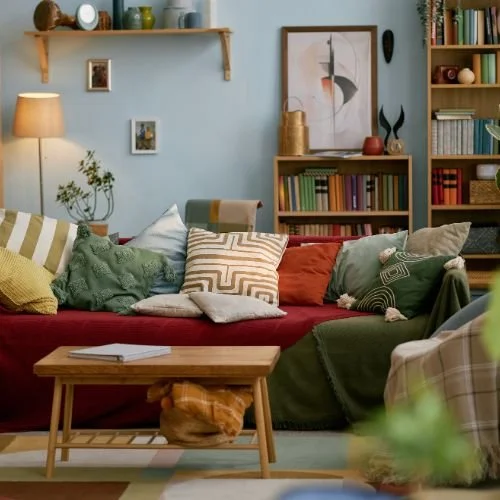
Okay, but… where would I sit?
Function matters, but so does enjoying the place where you live. Once your home starts working better, you can ask another question: What would make me happier to be here?
Maybe it's warmer lighting, plants, family photographs, artwork, books, colourful pillows, or the slightly ridiculous object you bought on vacation that makes you smile every time you walk past it. Your home doesn't need to look sophisticated or follow the latest decorating trend. It certainly doesn't need to look like nobody actually lives there. It needs to feel like yours.
A beautiful home that makes your everyday life harder isn't particularly useful. A functional home that feels sterile and impersonal isn't much better. The sweet spot is somewhere in the middle: a home that helps you do the things you need to do and gives you spaces where you genuinely enjoy spending your time.
Improving your home is different from maintaining it
There's another distinction I've started paying attention to lately: cleaning maintains your home; improving changes how it works.
Washing the kitchen counters is maintenance, while rearranging the cupboard so the things you use every morning are easier to reach is improvement. Vacuuming the living room is maintenance; finally putting a basket beside the sofa for all those blankets that somehow migrate onto the floor is improvement.
Sorting a three-foot pile of paperwork is maintenance. Creating a system that might prevent the next three-foot pile is improvement.
You need both, of course. Unless you've discovered a way to convince dust that your new organizational system means it no longer needs to visit.
The difference is that improvements have a cumulative effect. Every small problem you solve makes your home a little easier to live in tomorrow.
Before you go...
Look around the room you're in right now and ask yourself one question: What regularly annoys me about this space?
Don't clean the whole room or make a project plan. Just notice one thing, then ask yourself why it keeps happening. Maybe something needs a better home. Maybe something needs to leave. Maybe you need to move something three feet to the left. Maybe the room itself is being asked to do something that no longer fits your life.
Fix that one little piece of friction and see what happens.
Your home doesn't have to be perfect to support you. It just needs to make everyday life a little easier.

Michelle Arseneault is a certified life coach and instructional designer who loves helping women understand why life feels harder than it needs to, and what to do about it.
“I believe small, thoughtful changes usually have a bigger impact than dramatic overhauls. Around here, you'll usually find me exploring the psychology behind everyday life, creating practical tools, or asking questions that help you see things from a new angle.”
You might also like…


Ever feel like you have no choice but to accept things as they are? Intentional living starts with recognizing the influence you have over your life, even when your options aren't particularly appealing. Here's how to begin.