
When did you stop choosing how you spend your life?
Living on autopilot can look a lot like being responsible. That's why it's so easy to miss.
The ironic thing is, this robot looks like it’s trying to make a decision.
When Candice first came to coaching, there wasn't one enormous problem she needed to solve.
She had a demanding job and a family that relied on her. She was responsible, dependable, and very good at stepping in when someone needed something. On the surface, she was doing everything right.
She was also exhausted.
As we started looking at where her time and energy actually went, something became clear. Candice wasn't deliberately choosing most of what filled her days. Instead, she was responding. Someone needed something, so she helped. Work needed something, so she stayed late. Someone asked for help, so she said yes.
Almost everything she enjoyed had been pushed to "later," but unfortunately, "later" had stopped showing up.
Candice hadn't deliberately created a life that left almost no room for herself. It happened gradually as responsibilities, habits, expectations, and other people's needs accumulated.
She was living on autopilot.
What living on autopilot actually means
Living on autopilot means your days are mostly running on habit instead of choice. You're doing what comes next, what people expect from you, or what you've always done without stopping very often to ask whether it still makes sense.
Autopilot itself isn't bad. We rely on routines and habits constantly because they save us from having to make hundreds of tiny decisions every day. You probably don't need to thoughtfully consider each step involved in brushing your teeth in the morning. Some things are perfectly fine on autopilot.
The problem starts when temporary patterns become permanent ones.
Maybe you started checking work email after dinner during an unusually busy project. The project ended six months ago, but you're still checking your email every evening. Maybe you took on more family responsibilities during a difficult period, and nobody ever discussed whether you still needed to do all of them once things settled down.
The original reason disappears, but the behaviour stays.
Eventually, life can become a collection of things you keep doing because you've been doing them for a while.
Autopilot often looks like normal life
That's what makes it difficult to recognize.
You might notice it in the morning when you reach for your phone before you've even decided whether you want to. It might show up when someone asks for a favour, and you hear yourself saying yes before you've considered whether you have the time or energy.
“The issue isn’t that your life is full. It’s that you’re no longer choosing what fills it.”
Maybe your evenings routinely disappear into chores and scrolling, even though neither is how you would have chosen to spend them. You keep a commitment because you've always kept it. You work late because that's simply what you do. You continue a routine that made sense three years ago without ever asking whether it fits your life now.
None of those things is bad necessarily. You might genuinely want to answer that message, help that person, or spend an evening scrolling through videos of dogs refusing to come inside.
The question is whether you chose it.
The issue isn't that your life is full. It's that you're no longer choosing what fills it.
When enough of your days happen this way, you may start noticing a vague sense of dissatisfaction. You're busy but not particularly fulfilled. You're tired, but rest doesn't always seem to fix it. Weeks pass surprisingly quickly, and when you think about what you've actually done with them, most of it feels like work, responsibilities, and keeping things moving.
Life is happening. You're just not always sure how much you're participating in it.
Intentional living starts with noticing that you have a choice
When Candice and I started working on this, I didn't tell her to stop helping her family or start saying no to everyone. That wouldn't have solved the real problem. In fact, it probably would have made her feel horribly guilty too.
Instead, she started practicing something much smaller: pausing.
When someone asked something of her, she practiced asking herself one question before answering: Is this something I actually want to do, and have the capacity for right now?
At first, her answers didn't change very much. She often paused, thought about it, and still said yes. But something important had changed. She had made a decision.
As she became more aware of how often she agreed to things automatically, she gradually started making different choices. She declined a few requests. She protected small pockets of time for herself. She became more comfortable resting without feeling that she should be doing something for somebody else.
Her responsibilities didn't disappear, and her life didn't suddenly become easy. It simply started feeling more like hers again. That's the distinction I think gets lost when we talk about intentional living. Intentional doesn't necessarily mean different; it means chosen.
You won't have a choice about everything
Of course, there are parts of your life you can't simply opt out of.
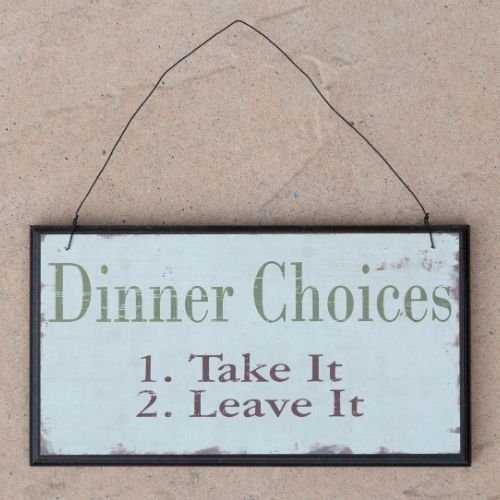
Not the choices I meant but… awesome!
You may have fixed work hours, financial limitations, health concerns, children or parents who depend on you, appointments you need to attend, and responsibilities that aren't going anywhere just because you've decided to live more intentionally.
Intentional living doesn't require pretending those constraints don't exist. It means noticing where you do have choices inside them.
You may not be able to choose whether you work today, but perhaps you can choose when your workday ends. You may need to make dinner, but you might decide that tonight's dinner is scrambled eggs because that's all the energy you're willing to give it. You may need to help someone you love, but that doesn't automatically mean you have to say yes every single time they ask.
What if you don't know what you want?
There's another problem that can surface once you start paying attention: You might realize you genuinely don't know what you want.
If you've spent years responding to deadlines, responsibilities, routines, and other people's needs, being asked what you want can feel surprisingly difficult. You don't need to solve that by creating a five-year plan or discovering your life's purpose by Tuesday.
Start smaller.
What do you want to do with the next hour? Would you rather go for a walk or watch television? Do you actually want to attend that event on Saturday? Are you enjoying the book you're reading, or are you finishing it because you've already read 200 pages and apparently you're now in a committed relationship with it?
Small preferences help you get reacquainted with yourself. The more often you notice them, the easier it becomes to recognize the bigger things that matter to you too.
Question the things you've stopped questioning
One of the simplest ways to notice autopilot is to pay attention to the phrase, "I always".
I always answer emails at night.
I always host Christmas.
I always make dinner.
I always say yes when they ask.
I always spend Sunday catching up on chores.
Maybe you want to keep doing those things. Maybe. But every once in a while, it's worth asking whether "always" still makes sense.
Your life changes. Your responsibilities change. Your interests change. You change. The routines and expectations surrounding you should be allowed to change too.
Sometimes changing one small pattern is enough to make a part of your day feel different.
Before you go...

You know you want something to change. Let's figure out what that looks like.
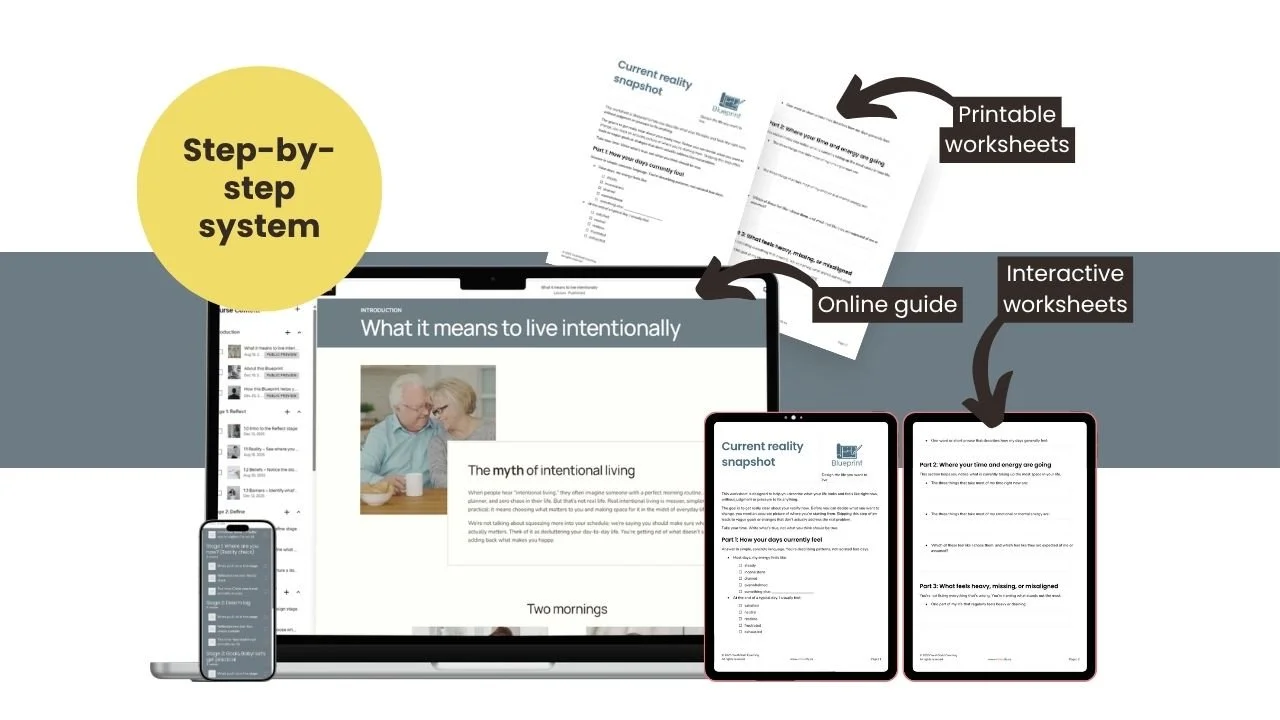
If you've been feeling stuck, overwhelmed, or like you're simply going through the motions, you're not alone. The Design Your Dream Life Workbook is a guided digital workbook that helps you get clear on what matters most, set meaningful goals, and create a realistic plan for building a life that feels more intentional.
Whether you're starting over, feeling ready for a fresh chapter, or simply want to stop living on autopilot, this workbook will help you take the first step.
What you'll gain:
A clearer vision of the life you want to create
Goals that reflect your values, not someone else's expectations
A practical action plan you can actually follow
What is it?
The Design Your Dream Life Workbook is a self-paced digital workbook inspired by the same coaching conversations I have with clients.
Through guided reflections and practical exercises, you'll explore where you are today, discover what matters most to you, and create a roadmap for where you want to go next.
There are no perfect answers and no "right" version of a dream life. The goal is simply to help you build a life that feels right for you.
How this workbook can help
Stop feeling overwhelmed by too many possibilities.
Get clear on what you really want.
Turn big dreams into manageable next steps.
Make decisions with more confidence because you know what matters most.
Build momentum through small, intentional actions.
Why I created it
One of the biggest challenges I see as a life coach isn't a lack of motivation. It's a lack of clarity.
When you don't know what you really want, every decision feels harder. You end up chasing goals that don't fit, saying yes when you want to say no, and wondering why life still doesn't feel quite right.
I created this workbook to give you the space to slow down, reflect, and intentionally design a life that feels meaningful to you, because your dream life shouldn't be based on someone else's definition of success. It should be based on yours.
Product details
Interactive PDF that you can complete digitally or print
A4 size
Instant digital download
Download available for 30 days after purchase
Digital product only. No physical item will be shipped.
Frequently asked questions (FAQ)
Do I need to know what I want before I start?
Not at all. This workbook is designed to help you discover what matters most to you through guided reflection.
Is this a replacement for life coaching?
No, but it is inspired by the same questions and exercises I use with coaching clients. It's a great option if you'd like to work through the process at your own pace.
How long does it take to complete?
Everyone works at a different pace. Some people finish it over a weekend, while others prefer to work through it over several weeks as they reflect.
Ready to start designing your dream life?
The life you want won't happen by accident. Take the first step today with the Design Your Dream Life Workbook.
Make one intentional decision today.
It doesn't need to change your life. Decide what you actually want for lunch. Choose when you're going to stop working. Leave a message unanswered until you're ready to respond. Spend twenty minutes doing something you enjoy before you start the laundry.
The decision itself matters less than the pause before it. You're interrupting the habit of simply doing whatever comes next and giving yourself a chance to notice what choosing feels like again.
Then tomorrow, notice another one.
You don't have to redesign your entire life to stop living on autopilot. You just have to start participating in it again.

Michelle Arseneault is a certified life coach and instructional designer who loves helping women understand why life feels harder than it needs to, and what to do about it.
“I believe small, thoughtful changes usually have a bigger impact than dramatic overhauls. Around here, you'll usually find me exploring the psychology behind everyday life, creating practical tools, or asking questions that help you see things from a new angle.”
You might also like…


Learn how to design and build a life that feels meaningful to you. This guide helps you get clear on what isn’t working, picture what you want instead, and take your first small steps with confidence. You’ll also find a free challenge and a guided workbook if you want deeper support.